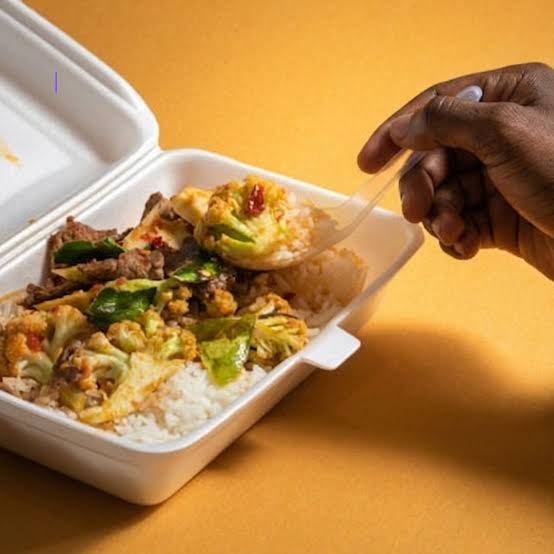
In Ghana, Styrofoam (also known as expanded polystyrene foam), is a prevalent choice for food packaging such as food-service containers, cups and takeaway packs. This is due to its affordability, ease of handling, and high insulation ability. It is used as a primary package in grocery stores for fresh fruits, vegetables, meat and sea foods; and in eateries for all sorts of ready to eat foods.
Key Health Concerns
However, Styrofoam food packaging has been linked to leaching harmful chemicals into hot foods and oily foods. Many food businesses store the piping hot food in these packaging materials or reheat the food in microwave to ensure that it is served hot to consumers.
The main chemical of concern is styrene, which is reported to pose an increased risks of cancer to humans. The chemicals released into food is also linked to fatigue, weakness, dizziness, hearing loss and hormonal disruptions. Other concerns of the use of this material is its non-biodegradable nature: it persists in the environment, contributing to pollution and harming ecosystems.
The ban
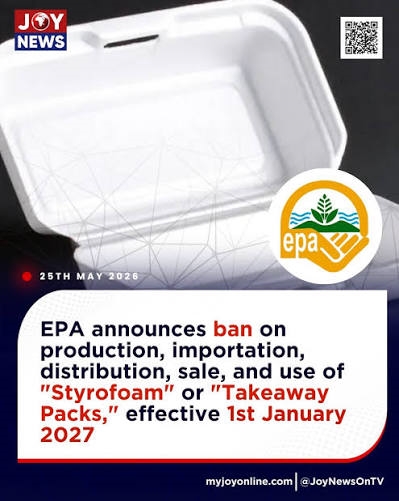
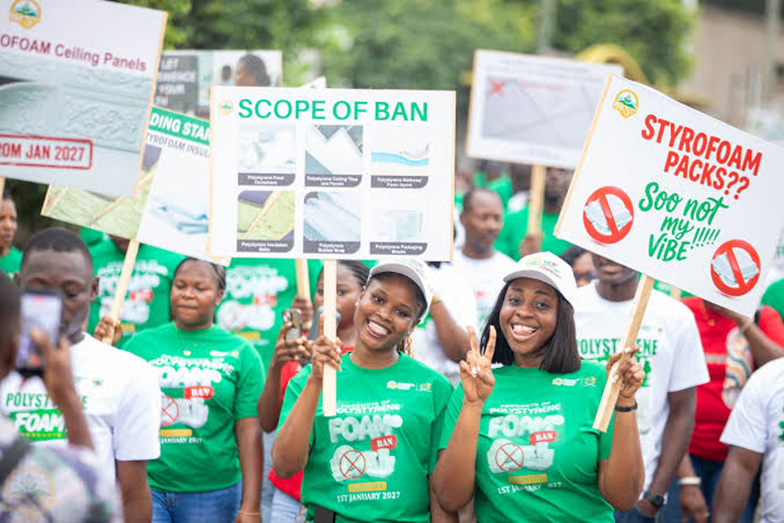
Consequently, 75 countries (i.e. 38% of the total number of countries in the world), have banned or tight restrictions on Styrene usage in food packaging materials. The Environmental Protection Agency (EPA) have initiated a strict regulatory phase-out and upcoming nationwide ban on Styrofoam takeaway containers, effective January 1, 2027, due to severe health and environmental risks. The FDA also underscores the importance of public awareness to address the risk of Styrofoam, hence advocating for informed consumer choices and sustainable practices.
Role of consumers and food vendors
Choose safer alternatives such as use of glass, ceramics, stainless steel, paper, wooden bowls, calabashes, leaves or approved food plastic packaging materials. However for leaves, they must be properly cleaned by washing thoroughly with clean water and, where possible, rinsed with salted or warm water. Also, avoid using dirty napkins to clean the leaves.
In the use of unapproved (polyethylene) plastic bags in food packaging, the FDA cautions the general public to make sure their hot foods, at the point of sale, are not primarily wrapped in plastic bags. Consumers are advised not to buy sachets and bottled water displayed on the bare sun, refuse hot food items packaged in direct contact with plastic bags, and also avoid covering boiling food items (like Fante kenkey) with plastic bags.
Writer
Stephen R. Coleman (President, Aquafig Foundation).
References
https://www.myjoyonline.com/styrofoam-ban-epa-launches-second-public-awareness-campaign-in-kumasi/
https://fdaghana.gov.gh/wp-content/uploads/2025/04/FACTS-ABOUT-STYROFOAM.pdf
https://fdaghana.gov.gh/wp-content/uploads/2024/01/POLYETHYLE-and-FANTE-KENKEY.pdf
Stop Using Plastic Bags for Hot Food, an article by By Prof. Victor Wutor on ModernGhana